















Teqball Makes a Spectacular Asian Games Debut - and Takes Another Giant Step Toward the Olympic Dream
AICHI-NAGOYA, JAPAN — Teqball has arrived on Asia’s biggest sporting stage.
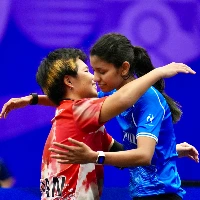
The sport’s historic debut as a medal sport at the 20th Asian Games Aichi-Nagoya 2026 delivered four days of high-energy competition, packed stands, spectacular athleticism and a powerful glimpse of Teqball’s potential on the global sporting stage.
The significance of the moment went far beyond the medals.
For the athletes, officials, national federations and supporters who have helped build Teqball across Asia and around the world, Aichi-Nagoya represented another major milestone: a young international sport competing for official medals at the continent’s premier multi-sport event.
Teqball’s inclusion in the programme was formally confirmed by the Olympic Council of Asia earlier in 2026.
A Fantastic Atmosphere for a Historic Debut
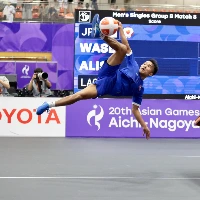
Inside the Nagoya City Higashi Sports Center, Teqball showed exactly why it has captured the imagination of a new generation of athletes and fans.
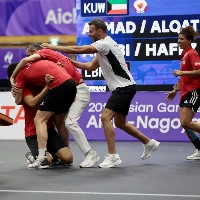
Fast rallies, extraordinary ball control, spectacular defensive saves and acrobatic attacking shots brought spectators close to the action. The medal sessions were played in front of a full house, according to the International Teqball Federation, helping create an outstanding atmosphere for the sport’s first Asian Games champions.
And Asia demonstrated remarkable competitive depth.
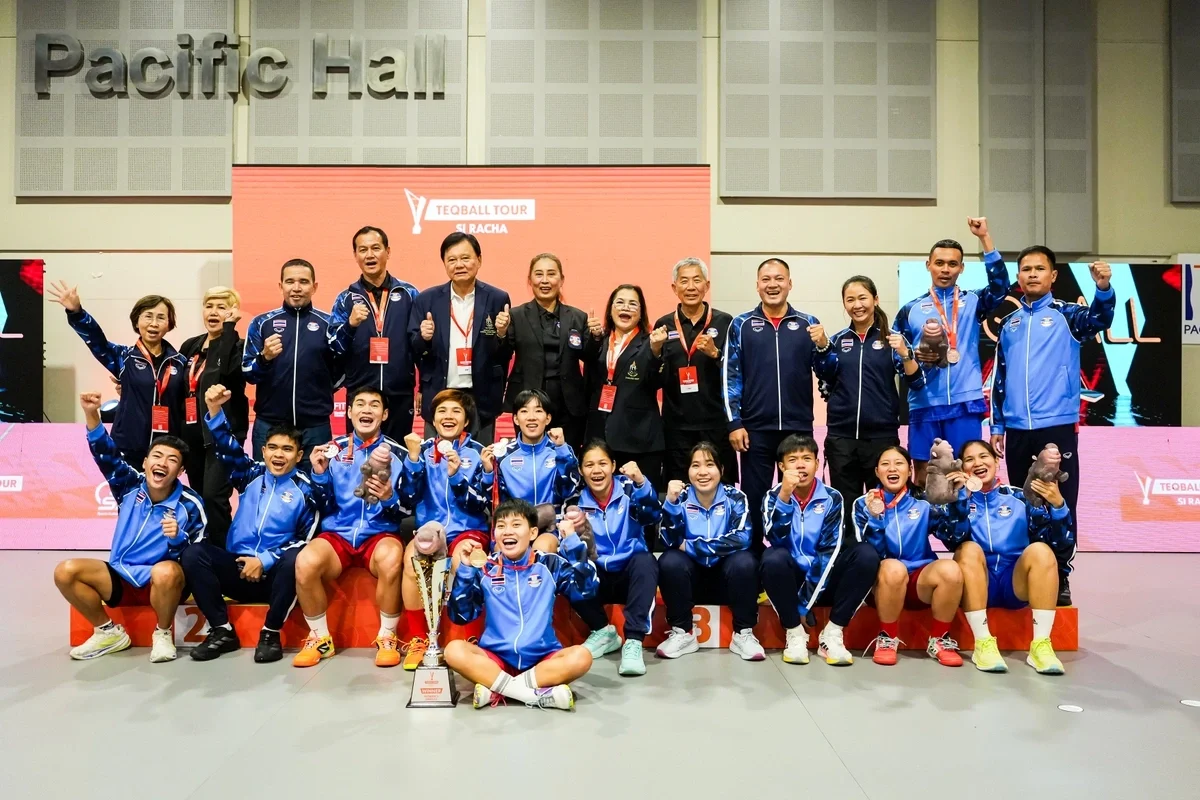
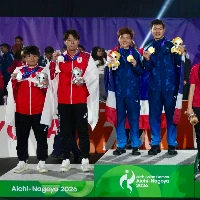
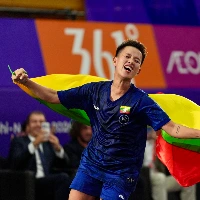
Five champions were crowned across the Teqball programme. Thailand claimed three gold medals, while Myanmar and the Republic of Korea each won one. Even more significantly for the sport’s continental development, ten nations finished the competition with at least one medal.
That diversity matters as it shows that Teqball is developing not only through a handful of established nations, but across different regions, sporting cultures and athlete pathways throughout Asia.
From the Venue to Audiences Across Asia
The excitement was not confined to the stands.
Asian Games TV, the official streaming platform of the Games, carried the Teqball action live, giving supporters beyond Nagoya an opportunity to follow the historic competition.
Teqball is naturally suited to the modern sports-media environment: rallies are fast, the rules are accessible, the action is highly visual and its most spectacular moments translate brilliantly to television, streaming platforms and social media.
For young audiences who increasingly discover sport through phones, short-form video and digital communities as much as traditional broadcasting, Teqball has an opportunity to speak their language.
The Sporting World Was Watching
The importance of the occasion was also reflected in the distinguished sporting leaders who came to experience Teqball at the Asian Games.
IOC President Kirsty Coventry, OCA President H.R.H. Sheikh Joaan bin Hamad Al Thani, Carles Puyol, FITEQ Chairman Viktor Huszár
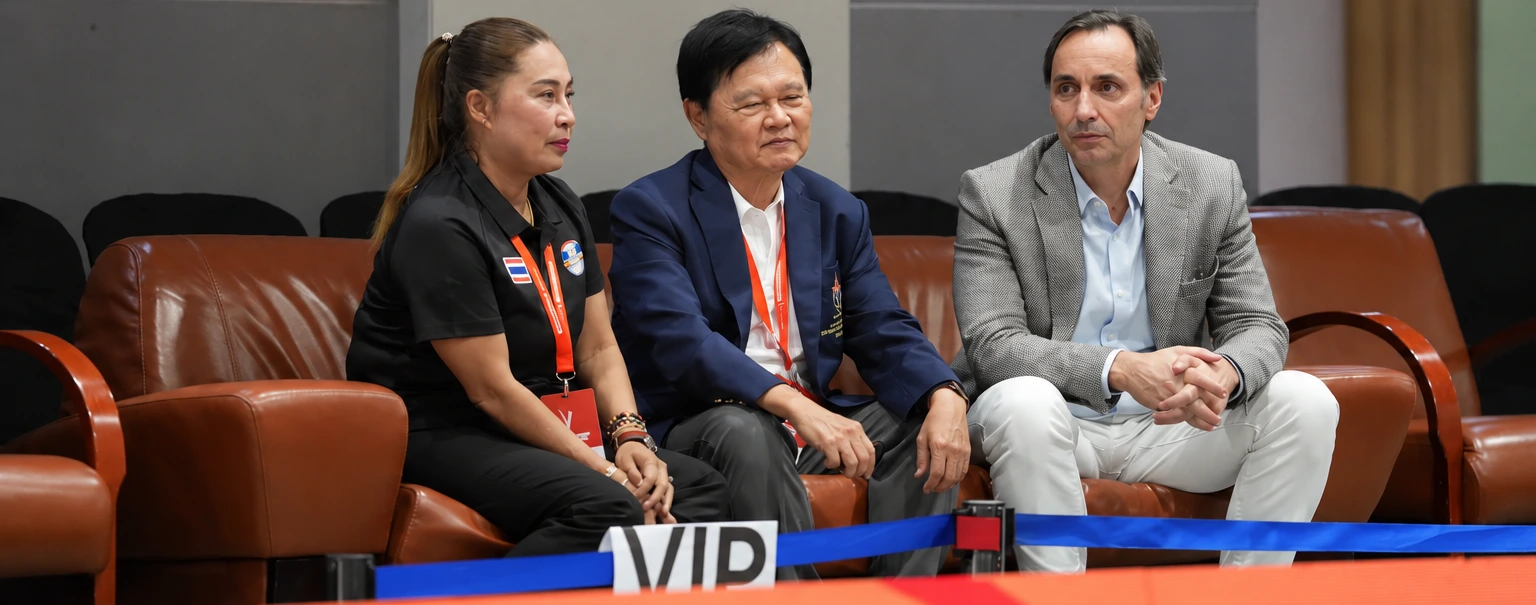
Among those attending the finals were OCA President H.R.H. Sheikh Joaan bin Hamad Al Thani, IOC Members, National Olympic Committee presidents and secretaries general, sports ministers and senior international sports officials. Spanish football legend and FIFA World Cup winner Carles Puyol was also present, as a Teqball Ambassador, and joined the medal ceremonies.
Their presence provided another indication of how far Teqball has progressed within the international sporting movement.
Puyol also highlighted the sport’s technical value and its potential for further growth, telling Reuters that “Teqball can help develop technically and that its fun, accessible nature gives it significant potential for professional football players further improving their technical skills”.
For a sport still building its international history, such recognition matters.
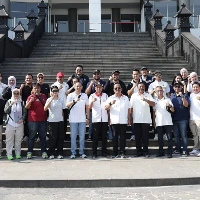
Carles Puyol with Students of Meijo University, Nagoya
A Sport With a Natural Connection to Asia
Perhaps nowhere is Teqball’s potential more exciting than in Asia.
The continent has enormous football communities and a deep tradition of technically demanding ball sports.
But the opportunity extends far beyond elite athletes.
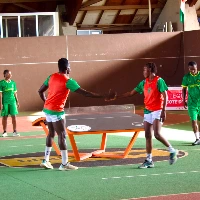
Teqball can be played by boys and girls, men and women, people with a disability and its relatively compact playing environment makes it adaptable to schools, universities, clubs, public spaces and sporting events. Its combination of competition, skill, creativity and entertainment gives it characteristics that can resonate strongly with younger generations.
That relevance was visible in Nagoya.
The Asian Games debut was not simply about introducing another sport to a major event. It was about demonstrating what a modern global sport can look like: youthful, spectacular, international and connected to digital audiences.
One Dream Growing Stronger: The Olympic Games
Beyond the celebrations in Nagoya lies an even bigger ambition.
The Olympic dream.
International Teqball Federation Chairman, Viktor Huszár described the Asian Games debut as an “important milestone on Teqball’s journey toward its ambition of becoming an Olympic sport”. Speaking to reporters, he pointed specifically to the “sport’s engagement, reach, relevance to young people and overall attraction” as qualities he hopes will be recognised within the Olympic movement.
While the journey remains a process, every successful international multi-sport appearance strengthens Teqball’s experience, visibility and sporting foundations. At present, the dialogue phase with the International Olympic Committee is taking place and the technical file is being submitted to IOC Sport for evaluation.
The Asian Games debut follows continued expansion across major continental events and a global network that now includes 147 national federations with presence on each continent.
That growth transforms an Olympic ambition from a powerful shared objective for athletes, coaches, federations and supporters around the world.
A Historic Beginning, Not a Finish Line
Aichi-Nagoya 2026 will always occupy a special place in Teqball history.
The first Asian Games rallies.
The first finals.
The first medals.
The first Asian Games champions.
And, perhaps most importantly, thousands of new spectators discovering what makes the sport special.
The packed venue, passionate supporters, international broadcast exposure, presence of leading figures from the Olympic and sporting world, and performances of athletes from across Asia combined to make Teqball’s debut much more than another competition.
It became a statement of progress.
Asia has shown that Teqball has a rightful place on major multi-sport stages. Now the challenge is to turn this momentum into more players, more national programmes, more youth participation, stronger competitions and an even larger global community.
The curved table has travelled a remarkable distance in a remarkably short time.
In Aichi-Nagoya, Teqball took another giant step forward — and the Olympic dream came a little closer.